
Sleep Apnea and Snoring Care in Melbourne
If snoring, unrefreshing sleep, or difficulty using CPAP has brought you here, these guides can help you understand the next questions to ask. At Sleep Apnea and TMJ Dental Treatment Center in Melbourne, Dr. Anitha Prasanna evaluates the dental side of care and coordinates with medical clinicians for sleep diagnosis and testing.

Explore sleep apnea and snoring topics
Choose a guide below for an overview of the topic, the people it may be relevant to, and what to discuss with your care team.
Oral Appliances
For people considering a custom sleep appliance. Learn about candidacy, fitting, adjustments, side effects, and follow-up testing.
CPAP Alternatives
For people finding CPAP difficult to use. Explore the questions to discuss before changing treatment and how oral appliances may fit into a coordinated plan.
Snoring Treatment
For people seeking help with ongoing snoring. Learn about assessment, possible contributing factors, and when medical sleep evaluation is needed.
UARS Treatment
For people with unrefreshing sleep or symptoms not fully explained by a sleep report. Learn about airway resistance, testing, and questions for your sleep clinician.
Teen & Young Adult Sleep Apnea
For teenagers, young adults, and their families. Review how age, growth, medical testing, and dental assessment shape an individual care plan.
Sleep Apnea in Women
For women wondering whether sleep apnea could contribute to tiredness or disrupted sleep. Learn about varied symptoms, life stages, and medical evaluation.
OAT vs CPAP
For people comparing treatment options. Review differences in effectiveness, comfort, nightly routines, side effects, and ongoing monitoring.
Sleep FAQs
For people starting to explore sleep and jaw care. Find answers about snoring, diagnosis, appliances, CPAP, and preparing for a visit.
Sleep Apnea & Heart Health
For people discussing sleep concerns alongside high blood pressure or heart disease. Learn about the connection and why coordinated medical care matters.
What is sleep apnea?
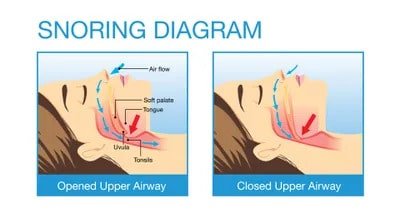
Sleep apnea is a disorder in which breathing repeatedly stops or becomes reduced during sleep. In obstructive sleep apnea, the upper airway narrows or closes. Central sleep apnea involves the brain’s signals to the breathing muscles. A medical sleep evaluation helps distinguish the type and guide treatment.
Possible signs include loud snoring, pauses in breathing, gasping, and daytime sleepiness or fatigue. Symptoms and risk factors vary, and snoring alone does not establish a diagnosis. Tell your medical clinician about persistent sleep concerns, even if you do not fit the usual picture of sleep apnea.

How sleep apnea interrupts sleep
Sleep cycles through three stages of non-REM sleep, including deep sleep, and a stage called rapid eye movement (REM) sleep. These stages repeat through the night and all contribute to healthy sleep. Sleep apnea can interrupt sleep repeatedly and affect how rested you feel during the day.
Comparing treatment options
Treatment depends on the type and severity of sleep apnea, your symptoms, and your health needs. Options for obstructive sleep apnea include lifestyle measures, positive airway pressure such as CPAP, and an oral appliance for suitable patients. Surgery may be considered in selected cases following specialist assessment, particularly when other treatments are unsuitable or cannot be tolerated.
A custom oral appliance is different from a standard night guard. If it is appropriate for you, treatment includes fitting, adjustments, monitoring of your teeth and jaw, and follow-up sleep testing arranged by your medical clinician. Keep using prescribed treatment until your clinician helps you make a change.
Plan your next step
Bring your sleep study, treatment history, and questions to the discussion. Our first-visit guide explains how to prepare. You can also review medical insurance questions and payment information.
Call 321-428-4226 or visit Contact Us for details about the Melbourne office.
Further reading: NHLBI: Sleep stages and sleep apnea treatment.