
TMJ and Jaw Pain Care in Melbourne
Jaw pain, clicking, locking, and facial discomfort can affect eating, speaking, and daily comfort. Dr. Anitha Prasanna evaluates jaw-joint and muscle symptoms at Sleep Apnea and TMJ Dental Treatment Center in Melbourne and helps you understand the next steps for your situation.
Explore TMJ and jaw pain topics
Each guide explains a different concern or part of care, including who may find it useful and what to discuss during an evaluation.
TMJ Diagnosis
For people seeking an explanation for jaw symptoms. Learn about the history, examination, imaging questions, and discussion of findings.
TMJ Splint Therapy
For people considering a custom jaw appliance. Understand its purpose, fit, adjustment period, possible problems, and follow-up.
Facial Pain
For people with facial discomfort that may involve the jaw. Learn how symptoms are assessed and when dental or medical referral may be appropriate.
Neuromuscular Care
For people with jaw-muscle tightness or questions about bite-related approaches. Explore jaw function, tests, and care that can be adjusted over time.
Jaw Pain Treatment
For people whose jaw discomfort affects eating or daily routines. Review assessment, treatment planning, and ways to track meaningful progress.
Clicking Jaw
For people noticing jaw sounds. Learn why painless clicking may not need treatment and which accompanying changes deserve assessment.
Jaw Locking
For people with catching, locking, or restricted jaw movement. Learn how these symptoms differ, what to avoid, and when prompt or urgent assessment is needed.
TMJ FAQs
For people weighing their next step in jaw care. Find answers about diagnosis, splints, exercises, newer therapies, insurance questions, and preparation.
Understanding TMJ and TMD
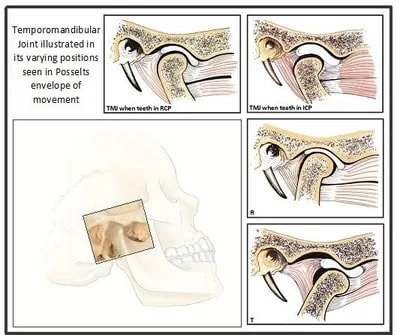
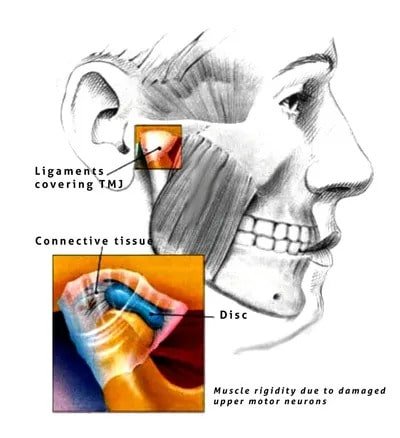
The temporomandibular joints, or TMJs, connect the lower jaw to the skull in front of the ears. Together with the chewing muscles, they allow the jaw to open, close, and move from side to side. Temporomandibular disorders (TMDs) are conditions affecting these joints or muscles.

Clicking, popping, and locking
Jaw sounds are common. Clicking without pain usually does not need treatment. Painful sounds, catching, locking, or a change in how far you can open your mouth deserve assessment. These experiences can have different causes, so it helps to describe exactly which movement is difficult.
A jaw that is stuck open and will not close needs urgent medical assessment. Do not try to force it back into place. The jaw-locking guide explains other changes that need prompt attention.
What may contribute to jaw symptoms?
Jaw symptoms can involve the joint, chewing muscles, or several factors together. Injury, arthritis, clenching or grinding, and other health or pain conditions may be relevant. An evaluation looks at your own history and examination rather than assuming one cause applies to everyone.

Symptoms to discuss
- Pain or tenderness in the jaw joint or chewing muscles.
- Jaw-muscle tension or fatigue.
- Catching, locking, or restricted opening.
- Discomfort when chewing or talking.
- A change in how your teeth meet.
- Facial discomfort, headaches, or symptoms near the ear.
Symptoms near the ear can have causes outside the jaw. Hearing changes or tinnitus may also need medical or hearing assessment; they should not automatically be attributed to TMD.
How assessment works
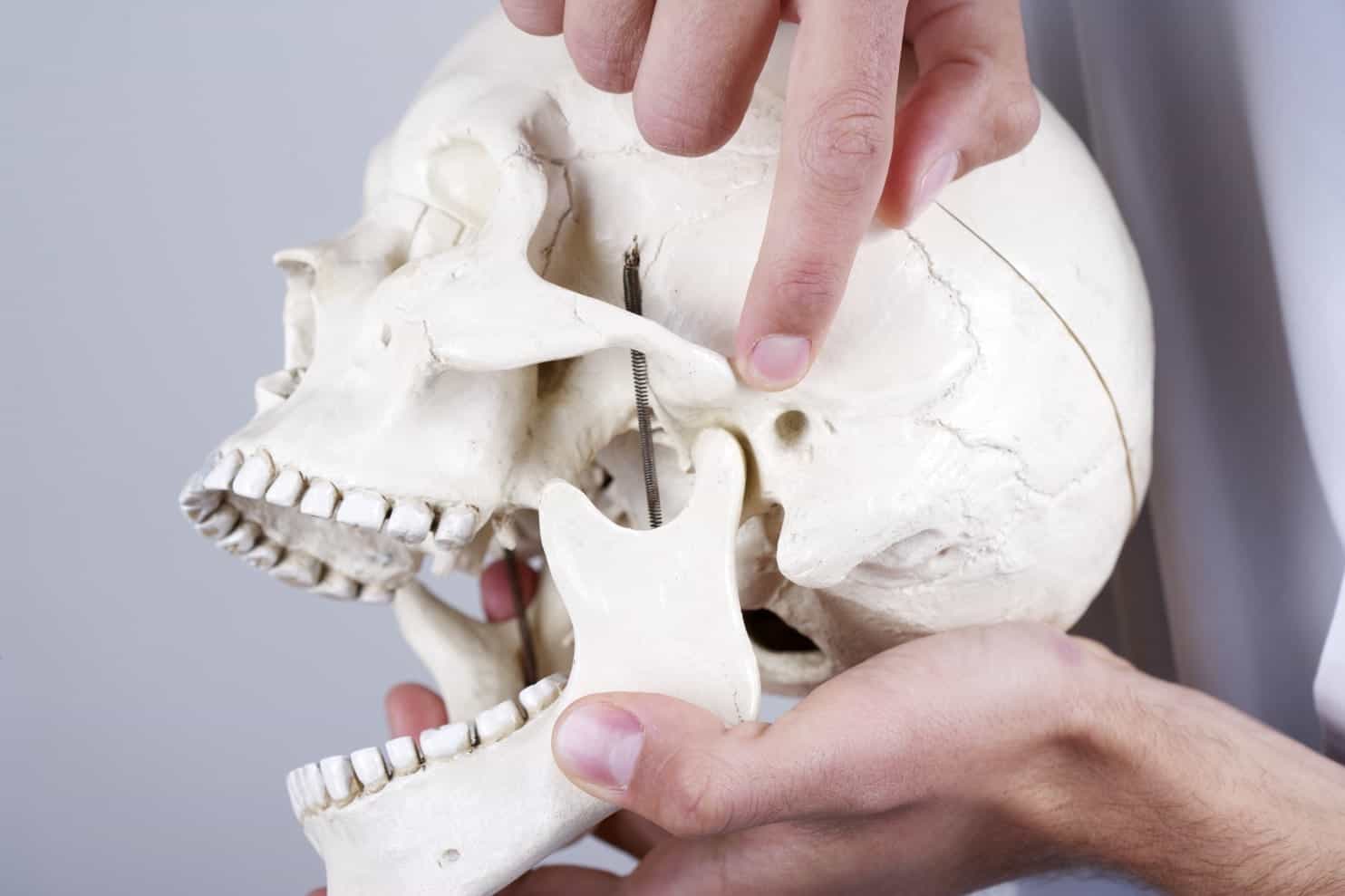
Assessment usually starts with your symptoms, health history, and an examination of jaw movement, muscles, and joints. Imaging may be recommended when it answers a particular clinical question, but not everyone needs a scan. Learn more in our TMJ diagnosis guide and imaging guide.
Discussing treatment options
Treatment generally begins with conservative approaches that can be adjusted, such as self-care advice, guided exercises or physical therapy, and appropriate pain management. A dental appliance may be considered in some cases. The purpose, limits, comfort, and follow-up of any appliance should be discussed before treatment.
Injections and other supportive therapies have different roles, evidence, and risks. Our advanced therapy guides provide questions to bring to the conversation. Surgery is reserved for selected cases after specialist assessment. Your care team can discuss referrals when additional services are needed.

Why seek an assessment?
Persistent jaw pain, painful clicking, locking, or difficulty opening your mouth can affect eating and everyday comfort. Assessment can help identify the cause and guide appropriate care. Many TMD symptoms improve over time, and treatment decisions should reflect your symptoms and function rather than fear of inevitable damage.
Plan your Melbourne visit
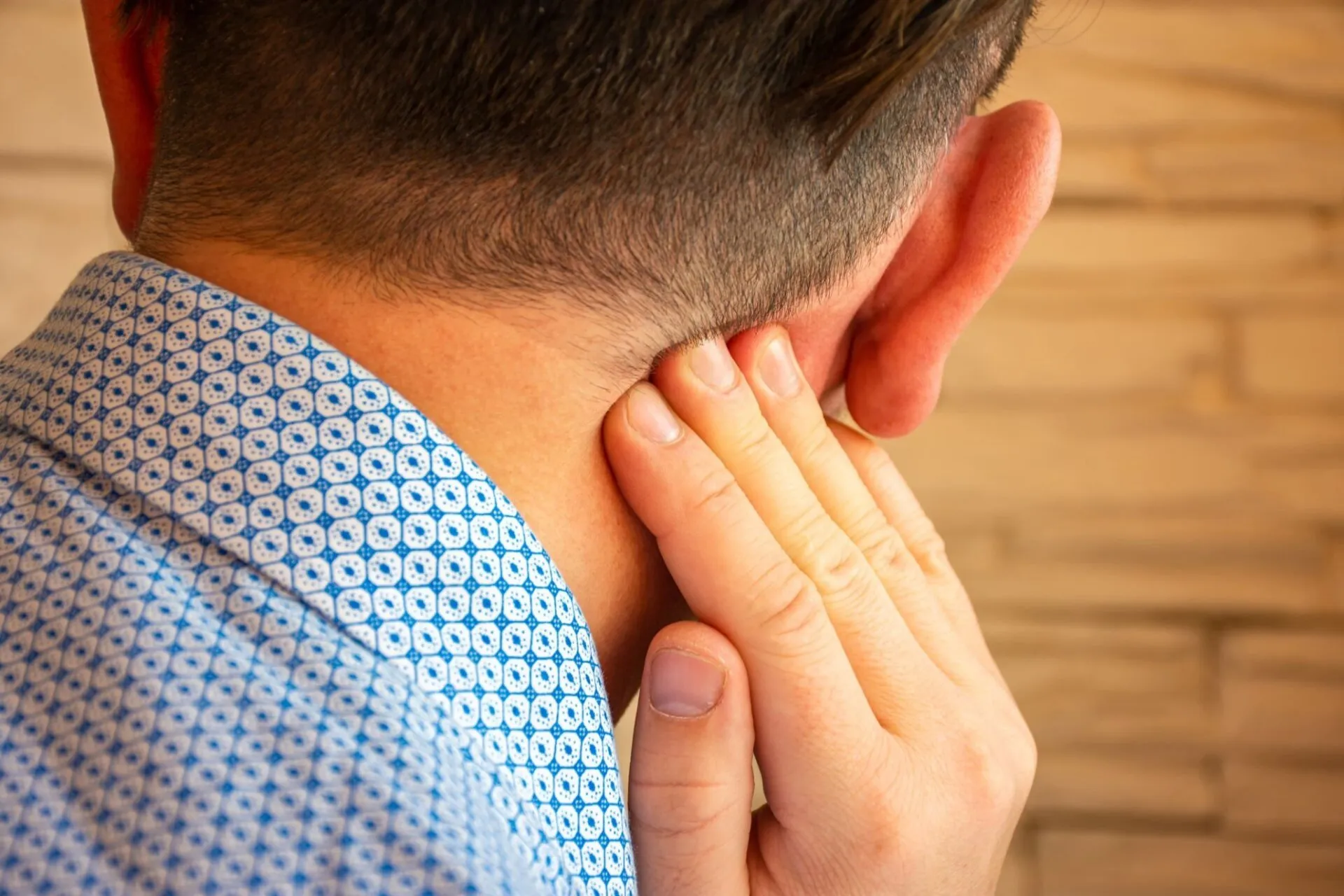
Bring a summary of symptoms, previous care, and any appliances you already use. Our first-visit guide explains how to prepare. Call 321-428-4226 or visit Contact Us for office details.
Further reading: NIDCR: Temporomandibular disorders.